

Swarovski crystals have long fascinated jewelry lovers and designers with their diamond-like sparkle. People often wonder what makes them so bright and whether they are natural gemstones or man made. In 2025, clear information matters more than ever because online myths and fake claims about luxury materials spread quickly. This article explains what Swarovski crystals are made of, how they are produced, and why they continue to shine as a symbol of precision and quality.
What Are Swarovski Crystals and Why Are They So Popular?
Swarovski crystals are high quality glass crystals created through a specialized manufacturing process. They are not mined gemstones but rather man made materials crafted to imitate the look of diamonds. The secret behind their shine lies in their perfect shape, chemical composition, and expert cutting method.
These crystals come from Austria, where the Swarovski brand began more than a century ago. The company developed a unique formula that combines quartz, sand, and minerals to form fine crystal glass. Because of their brilliance and affordability, Swarovski crystals became popular among fashion houses, jewelry makers, and interior designers around the world. Their use in red-carpet gowns and luxury watches has turned them into a trusted name in beauty and craftsmanship.
How Did Swarovski Crystals Begin?

The story of Swarovski started in 1895 when Daniel Swarovski, an inventor from Bohemia (now part of the Czech Republic), founded the company in Wattens, Austria. He designed an electric cutting machine that could polish glass with unmatched precision. His goal was simple to make “a diamond for everyone.”
During that period, natural diamonds were rare and expensive. Daniel’s new machine changed the jewelry industry by making it possible to produce crystal glass that sparkled almost like real diamonds. Over time, Swarovski grew from a small glass-cutting workshop into a global luxury brand known for its attention to detail and constant innovation. Today, the company continues to operate from Austria, exporting millions of crystals each year.
What Are Swarovski Crystals Made Of?
Swarovski crystals are made from a combination of silica (sand), soda, potash, and metal oxides. The exact formula remains a closely guarded company secret. In earlier years, the mixture included up to 32% lead oxide, which increased clarity and light refraction. This gave the crystals their signature brilliance that outshined ordinary glass.
Since 2012, Swarovski has switched to a lead-free formula using safer metals and advanced coatings. The material is melted at very high temperatures, cooled, and then cut into precise shapes using specialized machines. Every facet is polished to perfection, allowing light to bounce through the crystal and create a strong sparkle effect.
The result is a man made crystal that looks nearly identical to a natural gemstone but is entirely created through human skill and technology.
Why Do Swarovski Crystals Shine So Brightly?
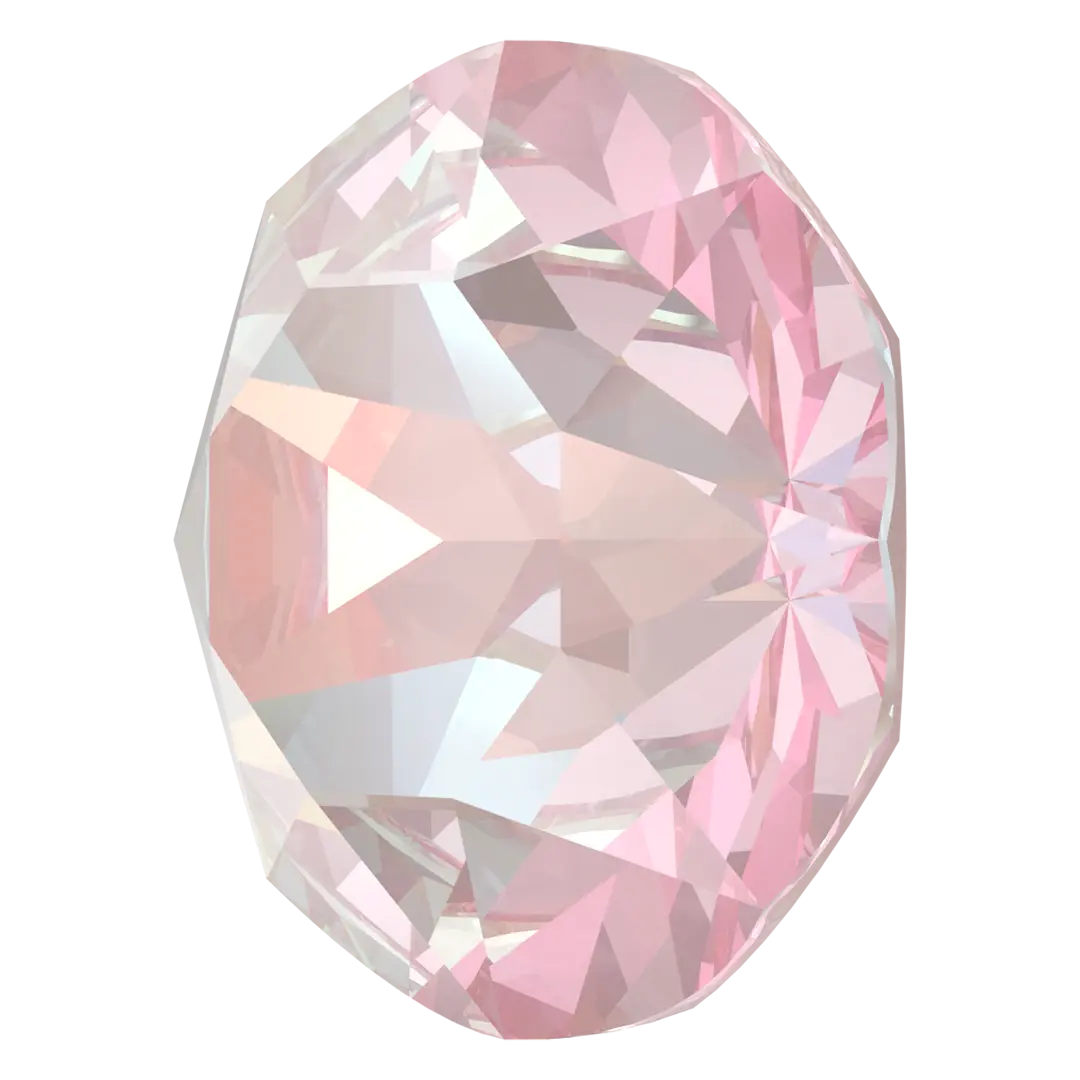
The brilliance of Swarovski crystals comes from their high refractive index and precise cutting technique. A typical crystal can have up to 100 tiny facets, or flat surfaces, which reflect and refract light in multiple directions. This design allows the crystals to capture even small amounts of light and turn them into a bright sparkle visible from afar.
Another factor behind their glow is the special surface coating used by the company. One famous example is the Aurora Borealis (AB) coating, developed in partnership with Christian Dior. It adds a rainbow-like shimmer that enhances every color reflection. Together, these optical effects make Swarovski crystals brighter than standard glass and nearly as eye-catching as real diamonds.
Are Swarovski Crystals Real or Imitation?
Many people confuse Swarovski crystals with gemstones or cheap imitations. The truth lies between the two. Swarovski crystals are not natural stones, but they are also not plastic or low-quality glass. They represent a premium form of man-made crystal that uses science and art to mimic the natural sparkle of precious gems.
Their precision and clarity set them apart from common rhinestones. Each piece passes through strict quality checks before it reaches the market. Because of this, top fashion designers and jewelry brands such as Dior, Chanel, and Prada use Swarovski crystals in their collections. The brand’s name itself has become a mark of trust and craftsmanship.
How Are Swarovski Crystals Different from Diamonds?
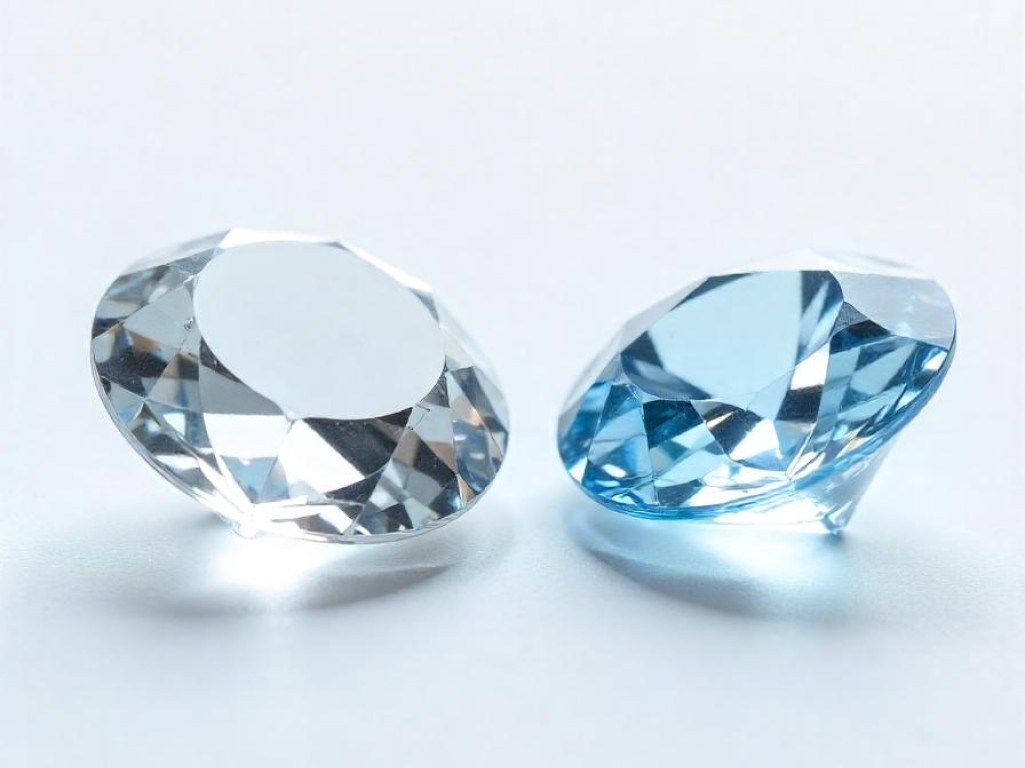
Although Swarovski crystals may look similar to diamonds, they differ in both composition and strength. Diamonds are formed naturally over billions of years under extreme heat and pressure inside the Earth. They are made of pure carbon and rank 10 on the Mohs hardness scale, making them the hardest known material.
Swarovski crystals, in comparison, are made from glass and rank 6 to 7 on the Mohs scale. They are more delicate and can scratch if not handled carefully. Diamonds also have higher brilliance and fire because of their atomic structure. Yet, Swarovski crystals offer a much more affordable option for anyone who loves sparkle without the high cost of natural gemstones.
In modern times, Swarovski also appeals to consumers who value ethical and sustainable production, since no mining is involved in their creation.
Where Are Swarovski Crystals Used?
Swarovski crystals appear in almost every area of design and fashion. They are used in jewelry, clothing, watches, chandeliers, art pieces, and interior decorations. Designers around the world rely on them to add luxury and shine to their work.
Here are some well-known uses:
- Fashion brands like Jimmy Choo and Versace decorate shoes and bags with Swarovski crystals.
- Lighting designers create chandeliers that fill rooms with crystal sparkle.
- Collectors buy Swarovski figurines and ornaments as display art.
From stage costumes to wedding dresses, Swarovski crystals continue to symbolize class and craftsmanship.
Are Swarovski Crystals Lead Free and Safe Today?
Yes. Since 2012, Swarovski has completely removed lead from its crystal formula. This change made the products safer for wearers and better for the environment. The new formula still maintains the same clarity and brilliance but uses eco-friendly metal oxides instead of lead oxide.
The company also meets global safety standards for fashion and home décor materials. This means that Swarovski crystals can be safely used in jewelry, accessories, and decorative art without risk of lead exposure. Their commitment to sustainability reflects the brand’s effort to maintain both beauty and responsibility.
Why Are Swarovski Crystals Expensive?
The cost of Swarovski crystals often surprises new buyers. Even though they are not natural gems, they can be pricey because of their production quality, precision cutting, and brand reputation. Each crystal undergoes a detailed process of shaping, polishing, and inspection before it is sold.
Swarovski invests heavily in research, design, and craftsmanship. The final product reflects years of innovation and perfection. Owning Swarovski jewelry means owning a piece of detailed artistry not just glass. The brand’s name adds prestige, and limited-edition collections make them even more valuable to collectors.
Conclusion: What Are Swarovski Crystals Made Of?
Swarovski crystals are made from a blend of quartz, sand, soda, and metal oxides, shaped with unmatched precision and care. They are not mined gemstones but carefully engineered glass designed to reflect light beautifully. Over 100 years after Daniel Swarovski’s invention, the crystals remain symbols of elegance and innovation.
Their charm lies in their combination of science, art, and craftsmanship. Whether set in jewelry, clothing, or décor, Swarovski crystals continue to sparkle as proof that human creativity can rival the beauty of nature.
No responses yet